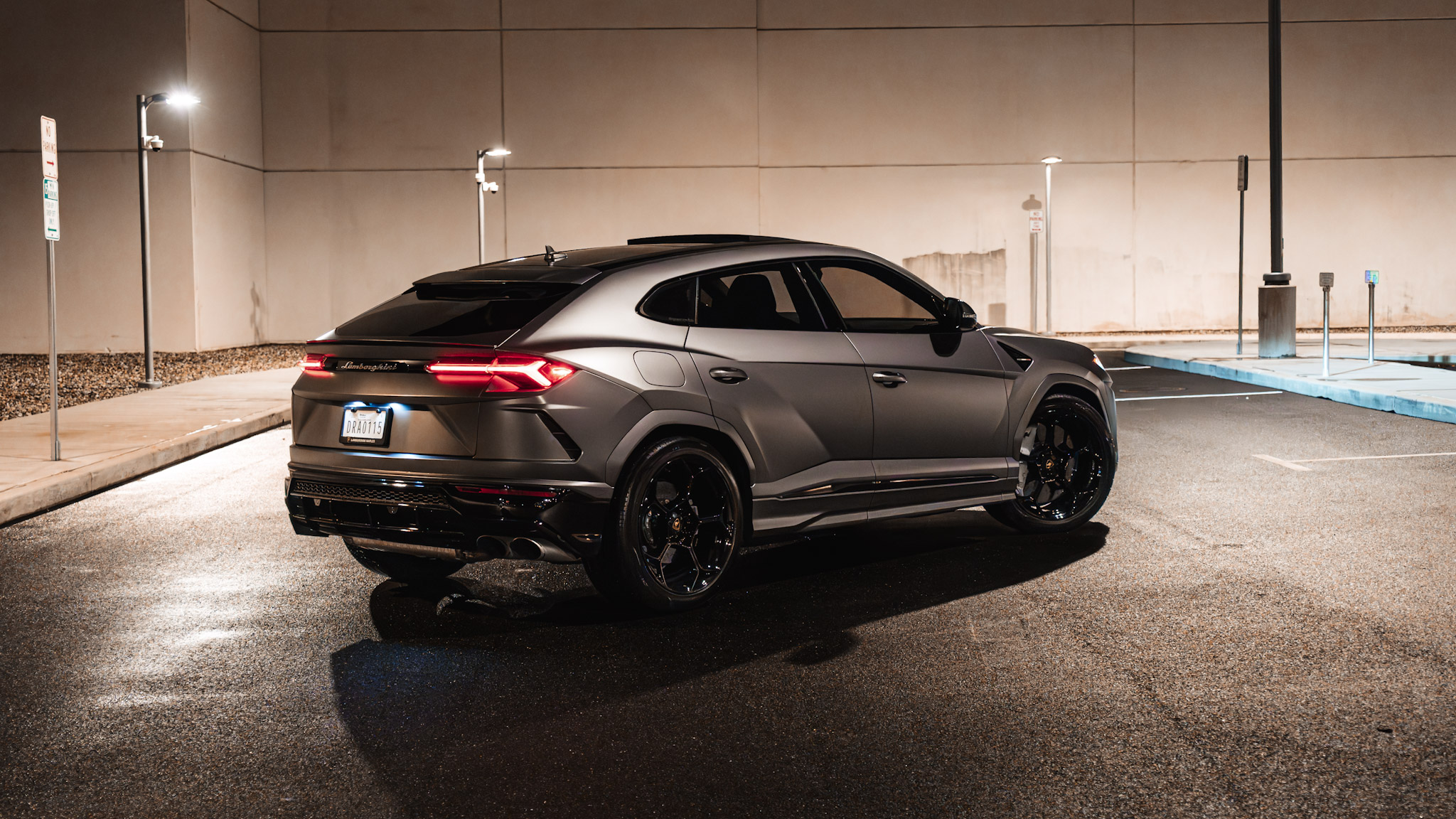
An exotic car can define the visual language of a photo shoot, music video, or brand project. It can also create avoidable problems when the production team treats it like a prop instead of a high-value vehicle with specific use terms.
The right process begins before anyone chooses a location or builds a shot list.
Disclose the production use
Tell the rental team exactly how the vehicle will be used. A parked editorial shoot, a moving road sequence, a music video, a commercial campaign, and a creator reel do not carry the same requirements. The booking must reflect the actual use, who will handle the vehicle, where it will be located, and whether it will move during production.
Do not assume a personal rental automatically permits commercial use. Confirm the current contract, insurance, driver, location, and supervision requirements in writing.
Choose the car for the frame
Color, roofline, doors, interior, and body proportions affect the result more than performance specifications. A Lamborghini Urus can support a lifestyle, fashion, or group-focused production when passenger space and a larger visual profile fit the brief. A red Ferrari 296 GTB creates a different, more compact color statement. Compare only current vehicles against the actual location, crew, and shot list.
Use a vehicle that is active in the live fleet. Do not select a retired or blacklisted car because an old photo remains online.
Build a safe shot list
Decide which shots require the vehicle to move and which can be completed while it is parked. Minimize unnecessary repositioning. Confirm who is authorized to drive, keep crew and equipment away from the paint, and protect the interior from stands, cases, wardrobe hardware, and unsecured accessories.
Never attach equipment to the body, sit or stand on the vehicle, create tire smoke, perform stunts, or block a public road without explicit written authorization and the required permits.
Confirm the location
New York City and Long Island locations can have different permit, parking, traffic, and property-access requirements. A studio, private property, public street, beach access point, and commercial venue each need separate planning.
The production team is responsible for confirming location permission and any required permit. A rental agreement does not grant the right to film at a location.
Prepare a single production brief
Send one written brief that identifies the client, project, date, location, crew size, proposed vehicle, approved driver, delivery window, and every shot that requires the car to move. Include the intended channels and whether the finished work is commercial. This gives the rental team a clear basis for review and reduces last-minute changes at the handoff.
Name one production contact who can make decisions and keep the vehicle area controlled. That person should understand the approved use, prevent unplanned crew handling, and confirm that the vehicle is ready for return. A concise brief is more useful than a mood board that does not explain how the car will be used.
Production checklist
Before the shoot, confirm:
- The exact vehicle, color, and active status.
- Commercial-use permission in the rental terms.
- Every approved driver and handler.
- Insurance and production requirements.
- Location access, permits, parking, and security.
- Delivery, holding, and return windows.
- A weather and cancellation plan.
- Paint, wheel, interior, and equipment protection.
Monarq Motors can help a production team identify a current vehicle that fits the visual brief. Send the date, location, project type, intended use, driver details, and shot list before the booking is finalized.
Explore the current Monarq Motors fleet.
Contact Monarq Motors with the production brief.
Google Preferred Source
Follow Monarq Motors on Google
Choose Monarq Motors as a preferred source to see more original New York automotive news from our team in Google.